Interdisciplinary research approaches are essential in addressing complex societal challenges, particularly those at the intersection of public health, environmental sustainability and social inequality.
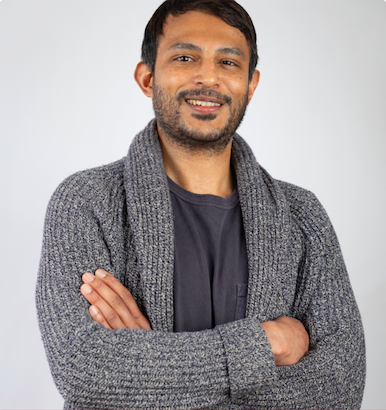
Dr. Prash Naidu. Photo Credit: Courtesy of Dr. Naidu.
At City College, one such effort is taking shape through “SUSTAIN-NYC: Storytelling for Urban Sustainability and Transformation in New York City”, a Mellon Foundation-funded project led by Assistant Professor of Anthropology Dr. Prash Naidu alongside co-principal investigators, Colin Powell School Director of Fellowship Programs and Office of Student Success Dr. Deborah Cheng, and Associate Professor of Sociology Dr. Yana Kucheva.
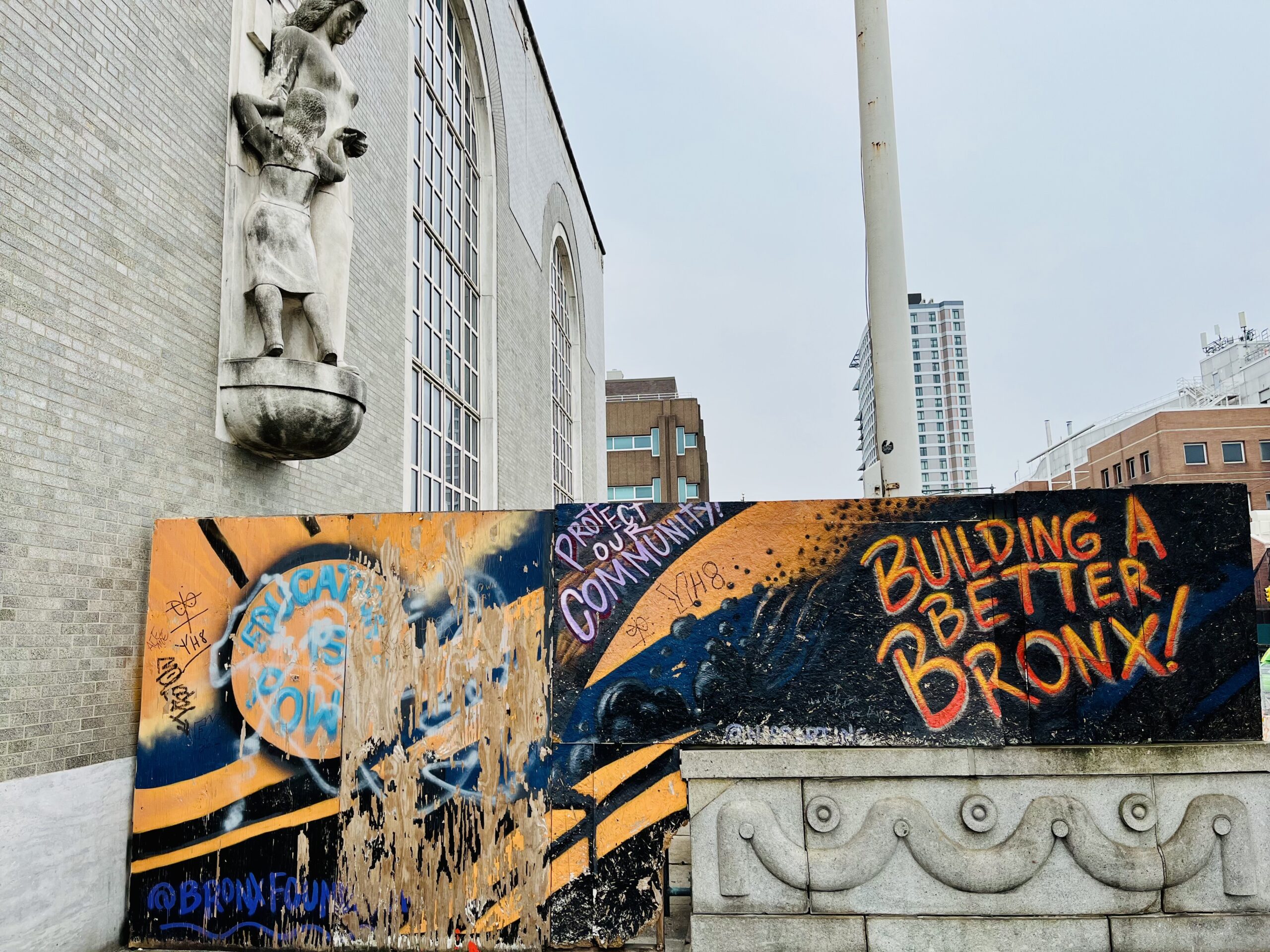
The project is grounded in collaboration with local environmental justice organization South Bronx Unite and uses storytelling and community-based research to document environmental injustice in the South Bronx, setting the stage for a research model that not only studies communities but also works with them toward more equitable futures.
Naidu describes SUSTAIN-NYC as “an environmental justice and environmental health initiative” focused on understanding how residents experience pollution and inequality in their everyday lives. The three-year project funded by the Mellon Foundation began in December 2024 and will run through 2027. The $490,000 award aims to establish a new project at the Colin Powell School for Civic and Global Leadership and is now entering its second year.
“The goal of this project is to use storytelling as a research method in order to better understand environmental justice and environmental health experiences for residents in the South Bronx,” Naidu explained.
According to Naidu, the South Bronx plays an essential yet often invisible role in sustaining the city’s economy.
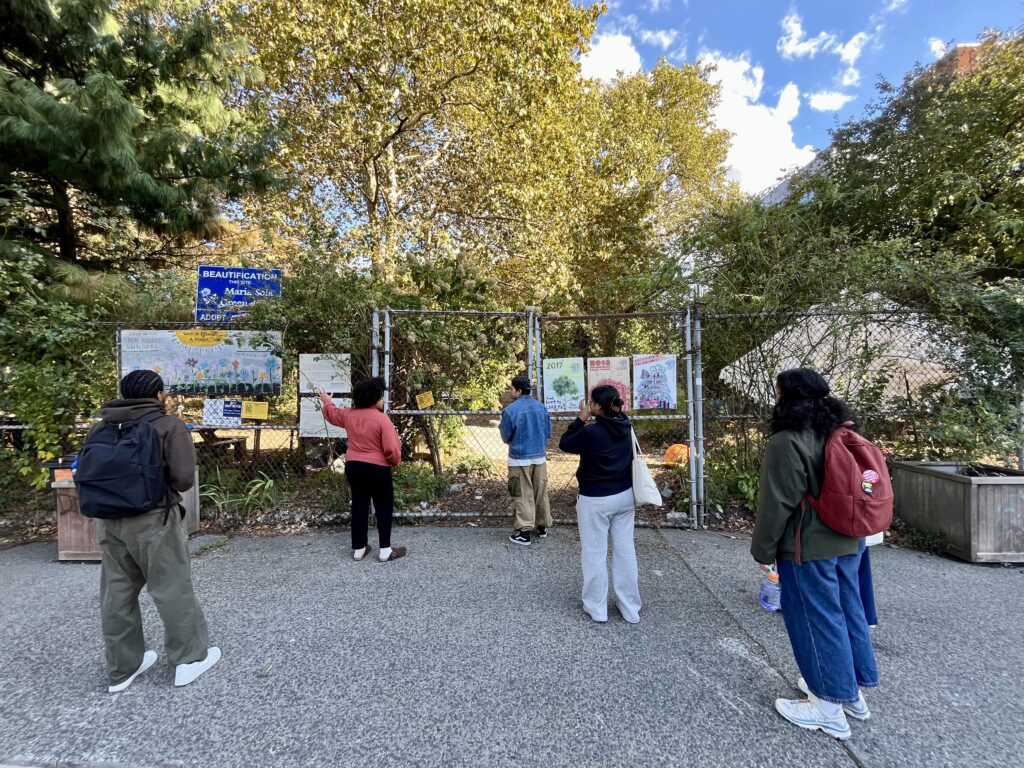
SUSTAIN-NYC team working. Photo Credit: Courtesy of Dr.Naidu.
The project centers on Mott Haven and Port Morris neighborhoods that are examples of neighborhoods that have long endured the environmental costs of New York City’s supply chain infrastructure. They host warehouses and “last-mile” delivery hubs that generate heavy truck traffic and contribute to poor air quality.
Such areas are often referred to as “sacrifice zones,” places where communities absorb disproportionate harm so others can enjoy economic benefits. SUSTAIN-NYC asks whether those tradeoffs are equitable and whether alternative futures are possible.
A defining feature of the project is its interdisciplinary structure. Naidu leads the initiative alongside Kucheva and Cheng, each bringing distinct expertise to the work. Together, the team integrates anthropology, sociology, public health, engineering, digital media and the environmental humanities to combine environmental monitoring with storytelling.
“Problems themselves are multifaceted,” Naidu said. “They require teams with different types of expertise, training and interests to come together in order to come up with a range of solutions.”
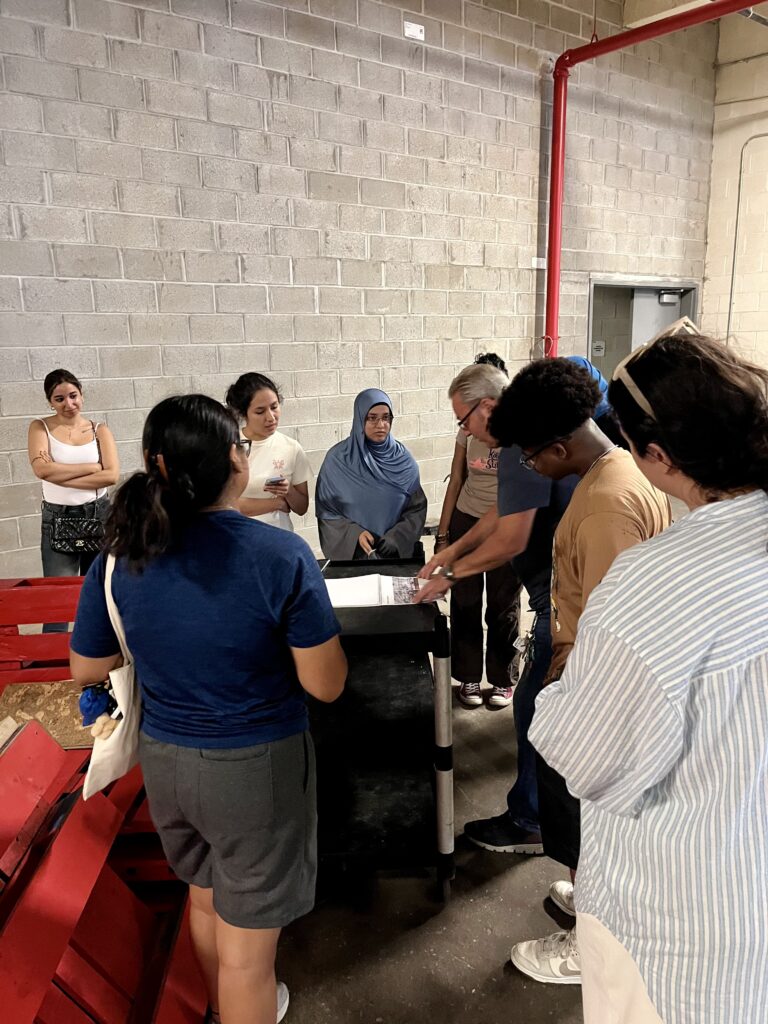
SUSTAIN-NYC team on site. Photo Credit: Courtesy of Dr. Naidu.
According to Naidu, storytelling serves as the project’s central research methodology, but not in a purely narrative sense. He emphasized that storytelling can include quantitative environmental data alongside lived experience.
“How can numbers alone tell stories?” Naidu asked, noting that the same environmental conditions, such as temperature or air quality, are experienced differently depending on race, income, housing and access to resources. “Our goal is to tell both quantitative stories with numerical data and stories with what people share from their lived experiences.”
Those stories will ultimately be found on an interactive digital platform co-created with South Bronx Unite. Residents will be able to contribute photographs, videos, audio recordings, written reflections, poetry, and artwork, many of which will be geotagged to specific locations. The platform is designed to be multimodal and multisensory, capturing both data and emotion.
The research team is also exploring non-digital formats to ensure accessibility for residents without reliable internet access. The goal is for the platform to remain active beyond the grant period, allowing community members to continue sharing their experiences and visions for the future.
Another component of SUSTAIN-NYC is its undergraduate research fellowship program, which recruits six City College students each semester from the social sciences, humanities, engineering and natural sciences. In this program, fellows work as a cohort rather than as isolated researchers.
Fellows also receive hands-on training in air-quality monitoring, qualitative and quantitative data analysis, multimodal storytelling and science communication.
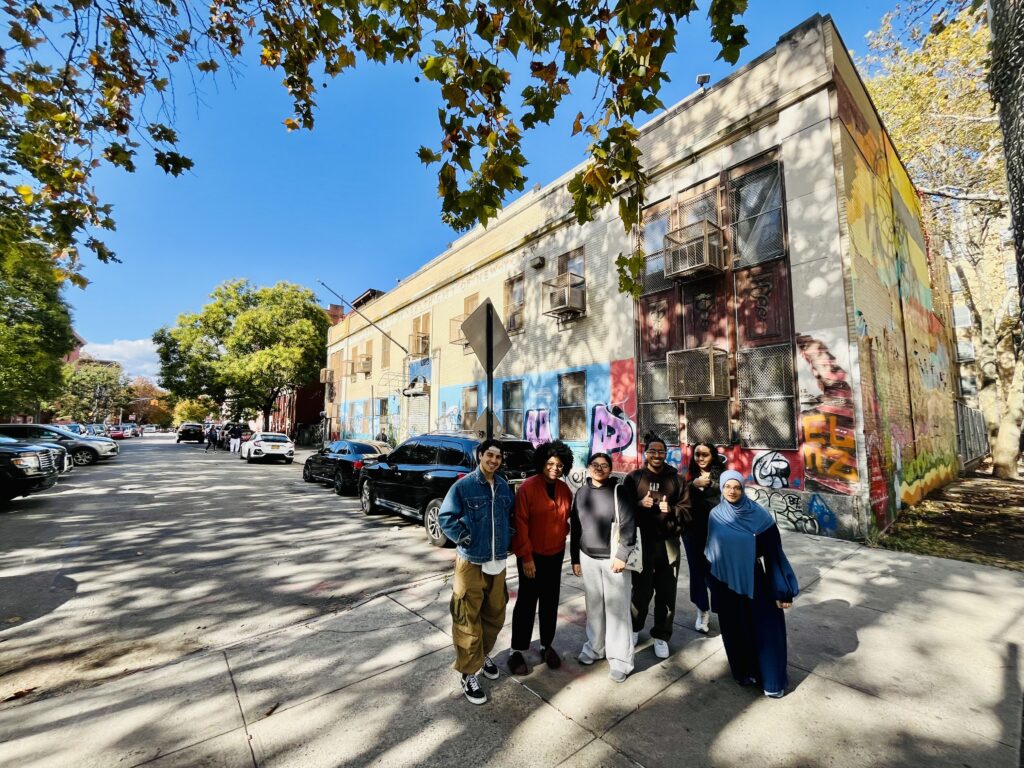
SUSTAIN-NYC team posing together on site. Photo Credit: Courtesy of Dr. Naidu.
Naidu sees the project’s success as sustained community engagement and a lasting model for justice-oriented research.
“I hope the project results in community residents not having to spend more time out of their work and caretaking responsibilities, but instead finding ways to meet people where they’re already at and give them spaces to share their concerns, their stories and what futures they want to see,” Naidu described.

Sofia is a graduate student at CUNY Brooklyn College, where she’s pursuing her M.S. in Media Studies. Her work centers on cultural affairs, capturing people’s lived experiences, and producing work that is not only compelling and polished but also intentional, inclusive, and aligned with meaningful public impact. In addition to writing for The RICC, she’s a dedicated writer for the Brooklyn News Service.