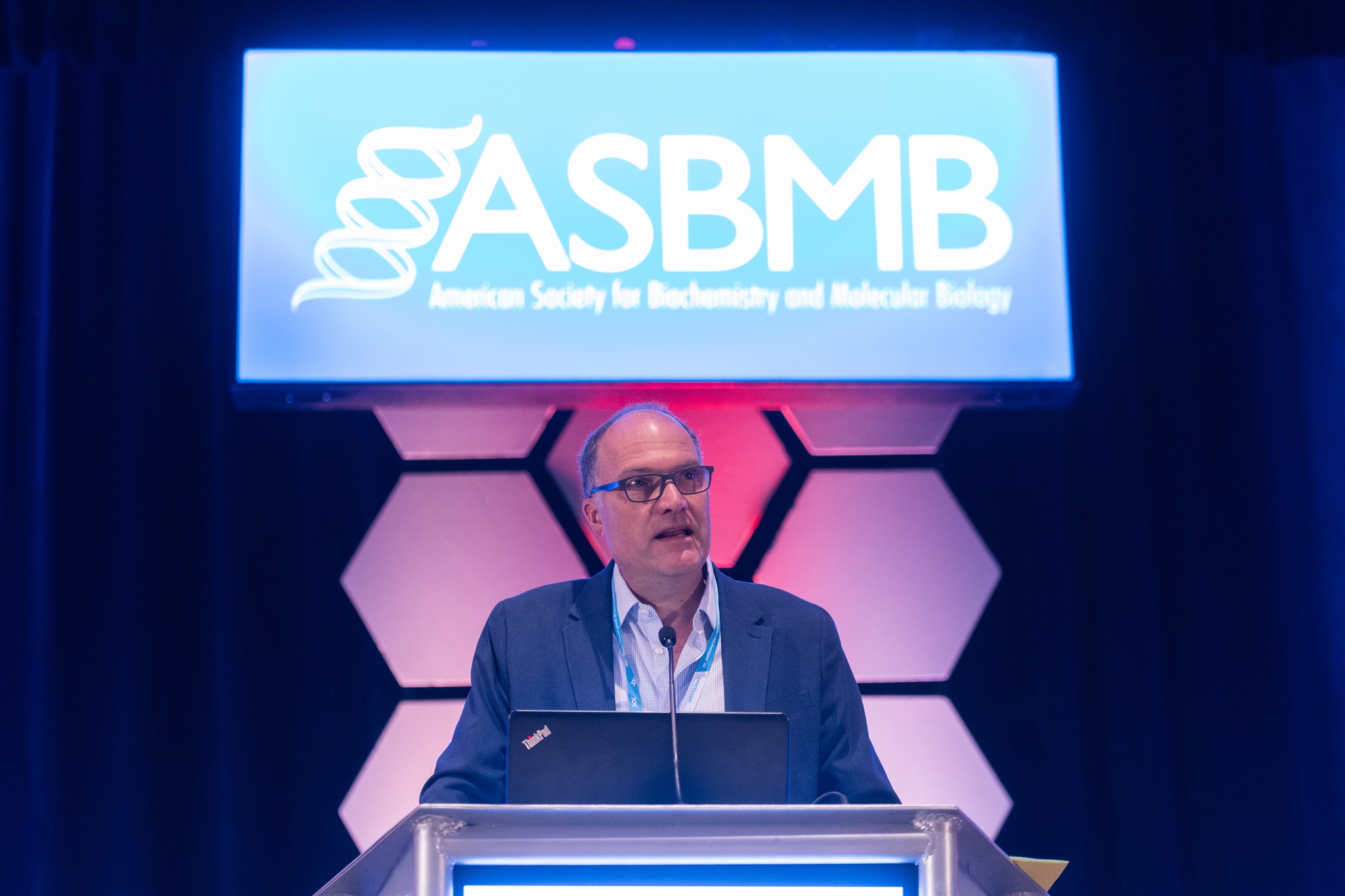
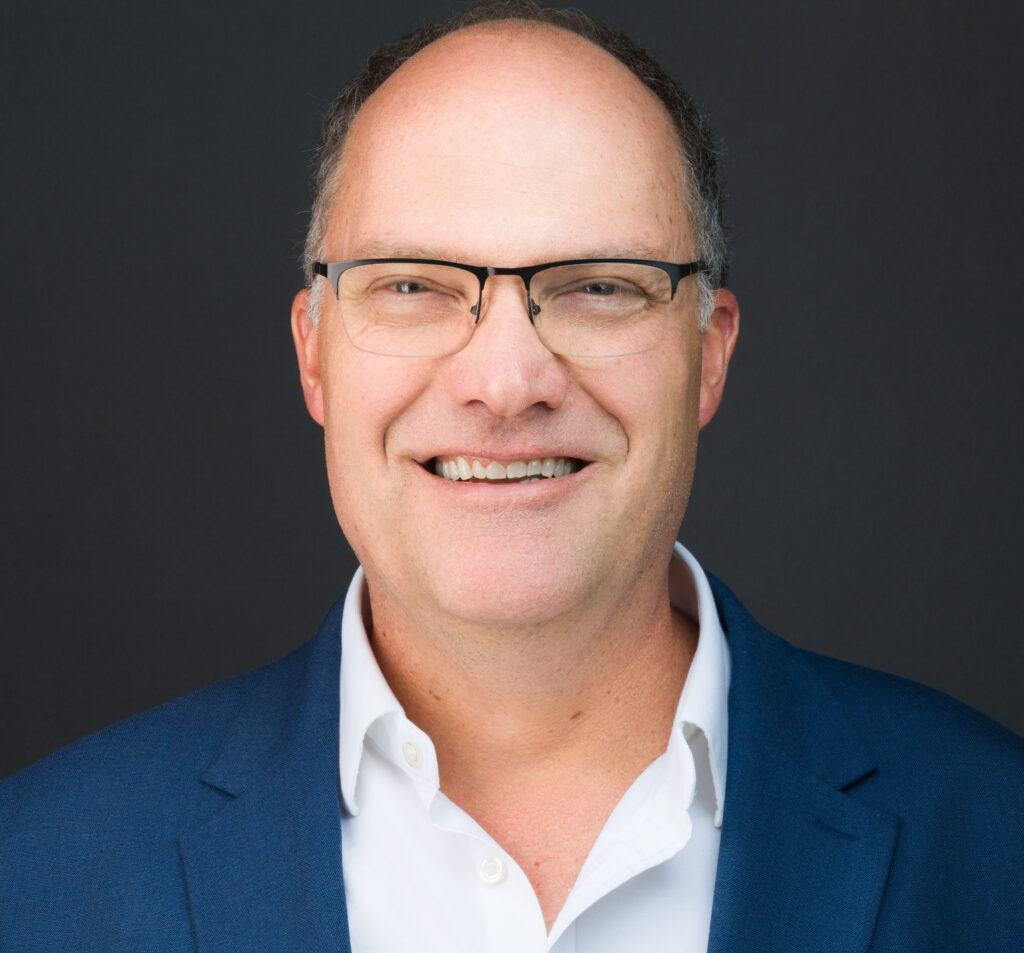
Dr. Kevin Gardner. Photo Credit: Courtesy of Dr. Gardner.
For Dr. Kevin H. Gardner, science has always been about understanding how living systems respond to the world around them. In over nearly three decades of research, that curiosity has shaped a career that recently earned him one of the scientific community’s highest honors, election as a 2025 Fellow of the American Association for the Advancement of Science (AAAS).
Gardner, a CUNY Distinguished Professor and the Einstein Professor of Chemistry and Biochemistry at CCNY, was recognized for his contributions to basic and applied biological and medical research aimed at developing new cancer treatments. For him, the lifetime recognition reflects not just personal achievement but also a broader scientific legacy built across generations.
“I’m someone who is always very cognizant that I get to do the work I do because scientists before me invented certain technologies, carved out certain fields, made certain discoveries,” Gardner said. “I believe strongly in the saying that we stand on the shoulders of giants.”
Gardner’s path into structural biology began during his undergraduate studies in biochemistry at the University of California, Davis. While studying both biology and chemistry, he became fascinated by the relationship between molecular structure and biological function.
“Structural biology really takes those two things and glues them together,” Gardner said. “It allows us to figure out how those machines in the cell actually work by figuring out what they look like at an atomic level.”
Since then, his research has focused on how organisms sense and respond to their environments, which is a process Gardner describes as a universal challenge shared by all forms of life.
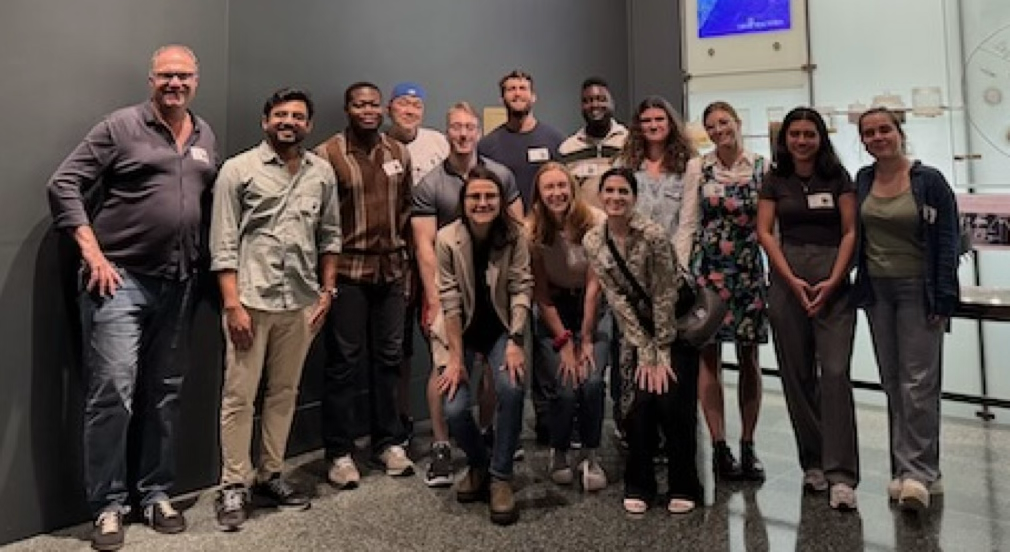
Dr. Gardner at his lab with students and colleagues. Photo Credit: Courtesy of Dr. Gardner.
Over the years, Gardner’s lab has studied biological sensors in organisms ranging from bacteria to plants, investigating how cells detect light, oxygen and other environmental changes. His group has also engineered some of those sensing systems into tools now used by hundreds of laboratories worldwide.
One major breakthrough involved studying proteins connected to cellular oxygen sensing. Gardner’s team identified a site where small molecules regulate a biological switch linked to cancer development, which eventually led to the development of a targeted therapy now used to treat kidney cancers.
“Our work directly led to a small molecule that shuts off this switch turned into a drug that Merck now sells,” Gardner said. “Thousands of people take a pill every morning to use this to stop kidney and other cancers associated with this system being broken.”
Gardner then explained that the experience transformed his view of the impact of structural biology research.
“I would not have thought for most of my career that, as a biochemist, I could do something similarly,” he said, referring to seeing patients directly benefit from his scientific discoveries. “It took us almost 20 years to go from the initial idea to patients benefiting from the idea, but it really delivered what we could only have dreamed at the outset.”
Gardner emphasized mentorship and scientific education as central responsibilities attached to the AAAS Fellowship. At CCNY and the CUNY Advanced Science Research Center, he serves as the founding director of the Structural Biology Initiative, and he actively mentors both undergraduate and graduate students, guiding them through laboratory research and encouraging the next generation of scientists.
Gardner also praised CCNY’s collaborative research culture and its partnerships with other institutions across New York City, particularly the New York Structural Biology Center, which houses advanced scientific equipment accessible to students and researchers.
“I’ve been really impressed with the people who are here in the lab,” Gardner said. “I like the aspiration of people wanting to push themselves and go learn a little bit more today than they knew yesterday.”
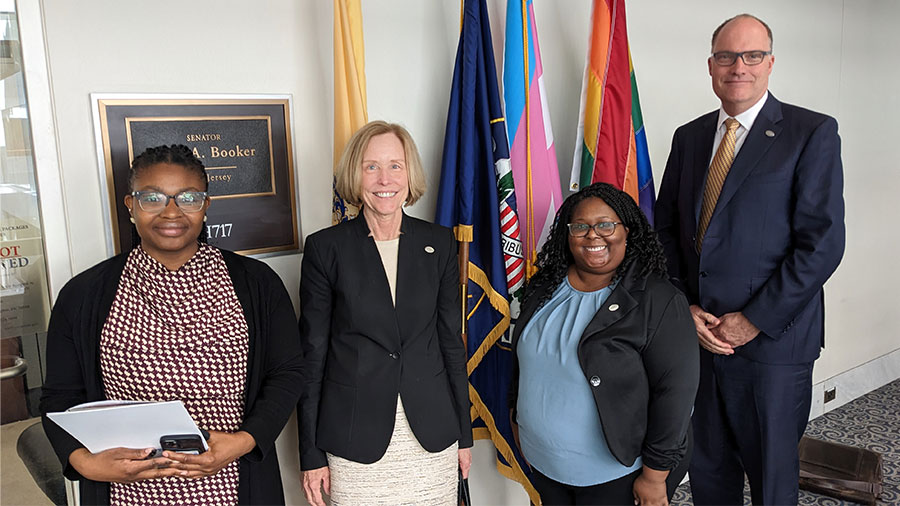
Dr. Gardner at a NY Congressional Delegation visit. Photo Credit: Courtesy of Dr. Gardner.
Looking ahead, Gardner said he believes the AAAS Fellowship represents not only recognition of past accomplishments, but a responsibility to continue advancing scientific discovery and sharing it with others.
“I really think that’s so critical now, especially over the last couple of years, where I think there’s been a lot of people questioning why science is important,” Gardner said. “Part of our responsibility as scientists is showing people not only the discoveries we make, but the real impact those discoveries can have on our communities and human health.”

Sofia is a graduate student at CUNY Brooklyn College, where she’s pursuing her M.S. in Media Studies. Her work centers on cultural affairs, capturing people’s lived experiences, and producing work that is not only compelling and polished but also intentional, inclusive, and aligned with meaningful public impact. In addition to writing for The RICC, she’s a dedicated writer for the Brooklyn News Service.