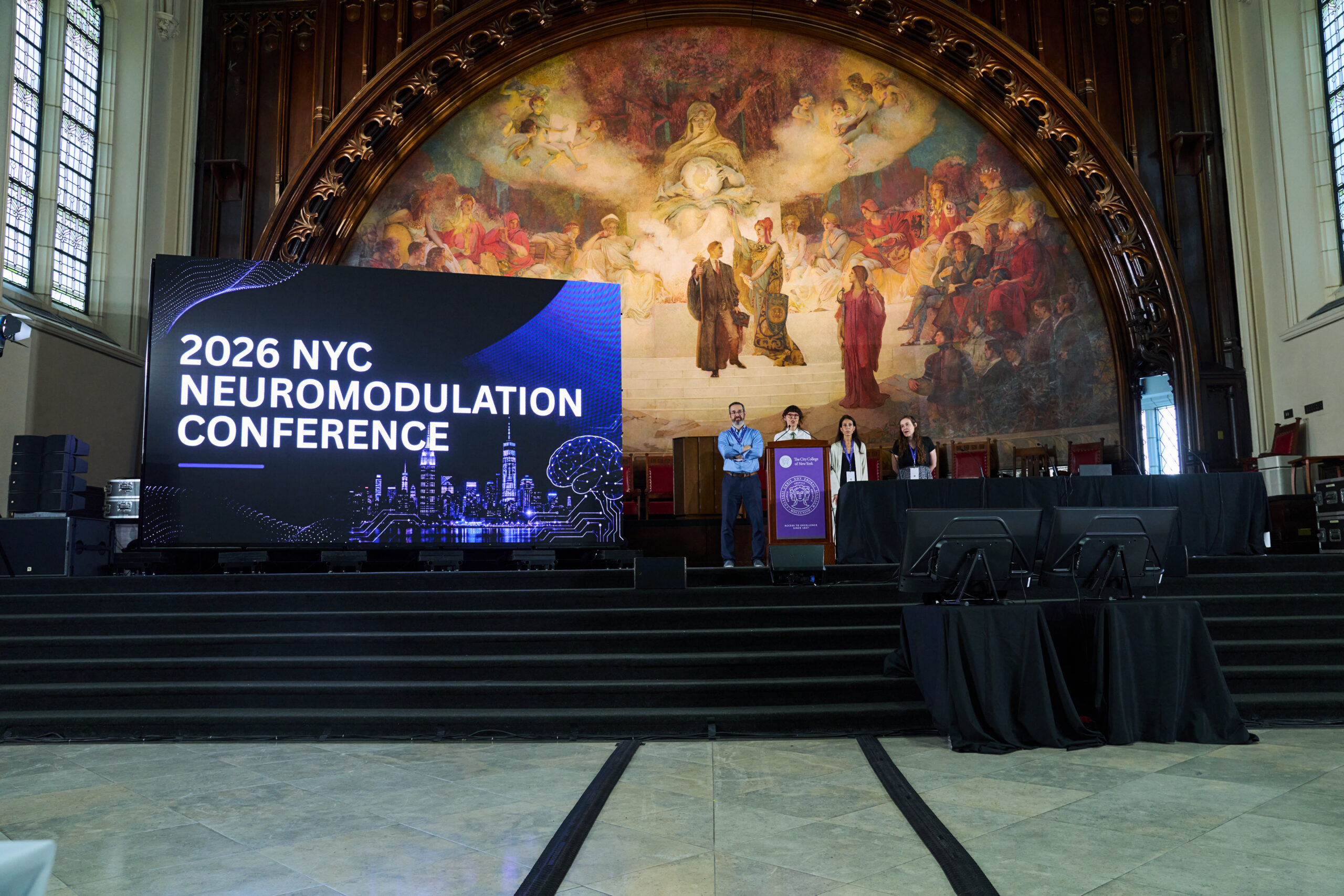
The rapidly advancing field of neuromodulation is transforming how scientists understand and treat neurological and psychiatric disorders, offering new possibilities for patients through innovative technologies and non-drug therapies. At
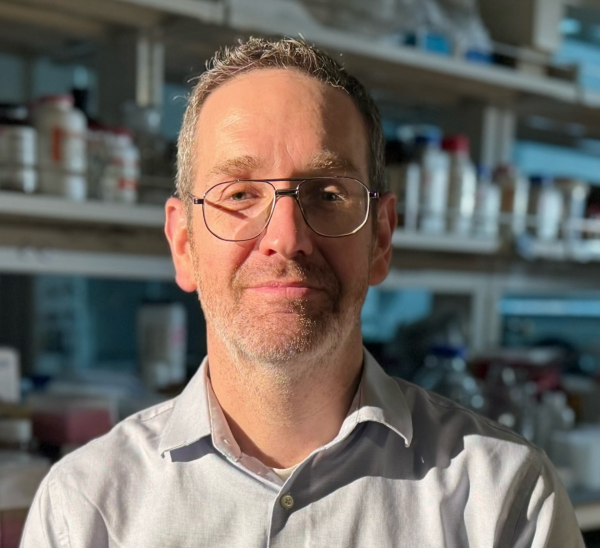
Dr. Marom Bikson. Photo Credit: Courtesy of CCNY.
The City College of New York, these developments took center stage during the 2026 NYC Neuromodulation Conference, which brought together an international community of researchers, clinicians, engineers and industry professionals to explore emerging breakthroughs in brain science and medical technology.
Co-chaired by Dr. Marom Bikson, professor of biomedical engineering at the Grove School of Engineering, the conference marked a significant milestone in its history. Since its establishment in 2013, the NYC Neuromodulation Conference has evolved alongside advances in technologies designed to interact with the nervous system.
“The 2026 meeting was our largest and most ambitious, bringing researchers, clinicians, engineers, students, and companies from around the world to City College,” Bikson said. “What made it especially exciting was seeing technologies that once seemed futuristic increasingly becoming practical tools for understanding the brain and treating disease.”
The conference explored a wide range of scientific developments, including brain-computer interfaces, wearable technologies, artificial intelligence and therapeutic approaches using electrical stimulation, magnetic fields and ultrasound. These innovations reflect the growing potential of neuromodulation to address complex medical conditions through increasingly precise and personalized interventions.
Among the most promising developments discussed were non-drug treatments for patients who have not responded to conventional therapies. Neuromodulation is increasingly being investigated and applied to difficult-to-treat conditions, including severe depression, chronic pain and neurological disorders.
Another emerging direction is the importance of personalized treatment. Advances in brain imaging can help researchers identify specific regions associated with a patient’s condition, allowing clinicians to better determine where and how stimulation should be delivered.
A particularly significant component of the 2026 program was its dedicated focus on women’s health.
“One area we specifically wanted to highlight was women’s health, which has historically been underrepresented in medicine and neurotechnology,” Bikson said. “We organized a dedicated session addressing applications ranging from reproductive health and hormones to sexual function.”
This focus also highlighted research currently being conducted by doctoral candidate Catarina Ferraz, a member of Bikson’s research group, who presented work investigating whether noninvasive brain stimulation can influence the neural pathways responsible for regulating reproductive hormones. The research explores the possibility of using neuromodulation to influence interactions between the brain and other bodily systems.
“This raises a much broader question: can we use neuromodulation not simply to treat brain disorders, but to control brain-body systems in ways that open completely new areas of medicine?” Bikson said.
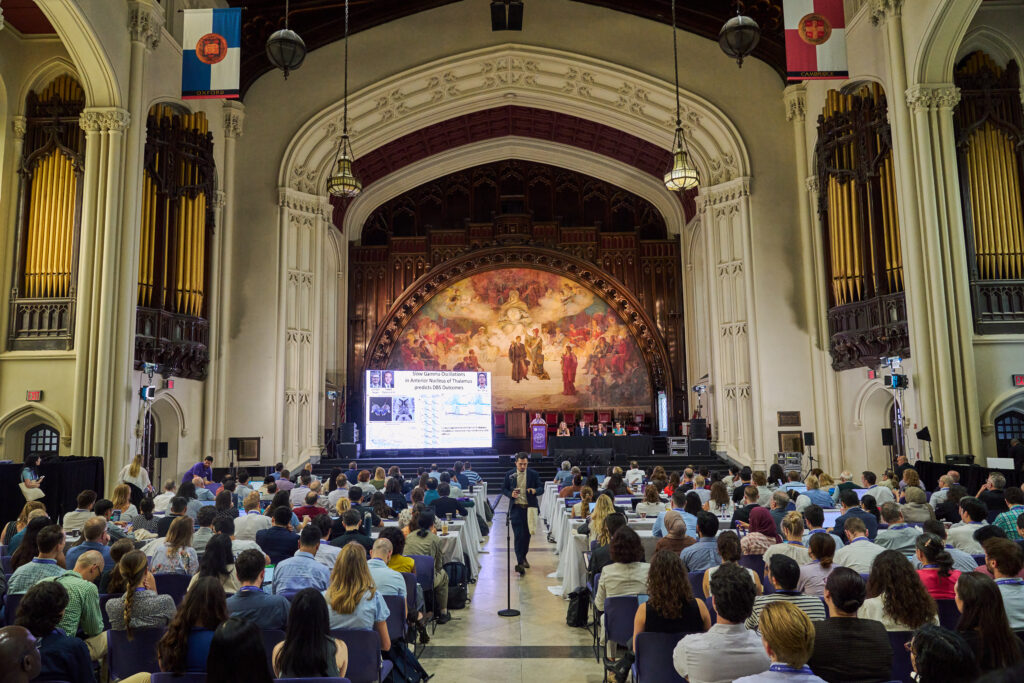
2026 NYC Neuromodulation Conference. Photo Credit: Courtesy of Dr. Ahmed Ben Mansour.
Ferraz’s research and its presentation at the conference also attracted coverage from the scientific publication Science, bringing additional attention to CCNY’s contributions to emerging applications of brain stimulation.
In addition to individual scientific developments, the conference emphasized the interdisciplinary collaboration needed to advance neuromodulation. Its international participation created opportunities for researchers working across engineering, neuroscience and clinical medicine to exchange perspectives and explore potential collaborations.
“Neuromodulation is inherently interdisciplinary. An engineer may understand how to deliver energy to the brain, a neuroscientist how the brain responds, and a clinician the disease and what actually matters to a patient. None of those perspectives alone is sufficient,” Bikson explained. “Bringing these communities together and bringing together researchers from different countries and scientific traditions is how unexpected connections and collaborations happen. That has always been one of the central goals of NYC Neuromodulation.”
Hosting the conference on CCNY’s campus further strengthened the institution’s connection to the global research community. Students and faculty gained opportunities to engage directly with leading scientists, clinicians, entrepreneurs and technology developers while showcasing the college’s contributions to biomedical innovation.
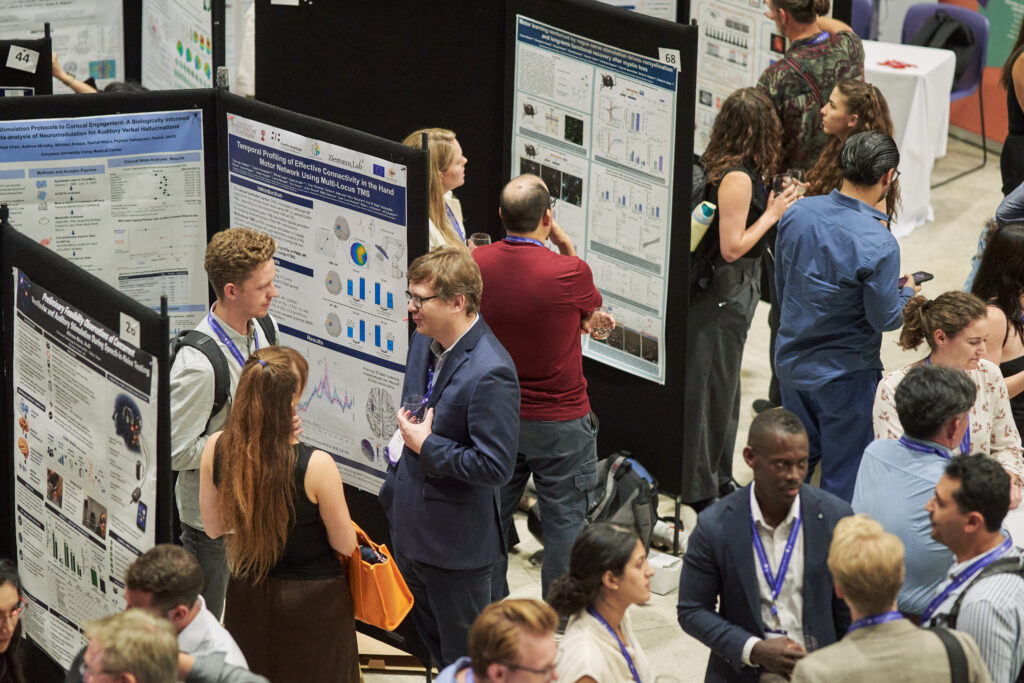
Presentations at the 2026 NYC Neuromodulation Conference. Photo Credit: Courtesy of Dr. Ahmed Ben Mansour.
The event also provided a platform for research that could shape future treatment approaches. At CCNY, Bikson’s research group, including Dr. Mohammad FallahRad and Kyle Donnery, has developed technology designed to safely deliver more intensive electrical brain stimulation. Collaborators recently completed an initial study involving a five-day treatment, with encouraging early results showing positive benefits.
As neuromodulation advances, hosting the conference reinforced the importance of bringing international research leaders to campus, fostering scientific collaboration and highlighting research underway in its laboratories.
“More broadly, I think the next stage of neuromodulation will be defined not only by increasingly sophisticated technology, but by making effective treatments faster, safer, and more accessible. The 2026 conference brought together many of the scientists, clinicians, and engineers working toward exactly those goals,” Bikson said.

Sofia is a graduate student at CUNY Brooklyn College, where she’s pursuing her M.S. in Media Studies. Her work centers on cultural affairs, capturing people’s lived experiences, and producing work that is not only compelling and polished but also intentional, inclusive, and aligned with meaningful public impact. In addition to writing for The RICC, she’s a dedicated writer for the Brooklyn News Service.