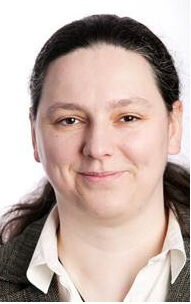
Chemical engineering professor Ilona Kretzschmar was elected a fellow, the highest level of membership with the American Institute of Chemical Engineers, or AIChE, notwithstanding that she has never received a degree in the discipline.
“It’s nice to be recognized by the society that I’m part of despite the fact that I was never trained in the field,” Kretzschmar said.
With over 60,000 members from across the world, the AIChE has been connecting and recognizing professionals in the field for over 100 years. The AIChE’s board of directors elects fellows on a quarterly basis after candidates have first been nominated by a peer and recommended by the organization’s admission committee. Candidates are selected based on their careers typically spanning decades and advancements contributed to chemical engineering. Approximately 3% of the AIChE members hold the rank of Fellow.
Kretzschmar, who has spent the past 22 years as a professor in the department of chemical engineering at City College, began her undergraduate years studying chemistry at the Technical University in Berlin. Her passion for engineering began during her postdoctoral research at Yale University in nanomaterial device fabrication. This work eventually landed her the appointment as assistant professor at the department of chemical engineering at City College.
“I combined all of my backgrounds and what I found very appealing about chemical engineering is that it’s not just trying to understand how something works, but once you understand how it works, to apply it to something that’s useful,” Kretzschmar said.
Her current research focuses on colloidal systems and the production of patchy particles. These particles derive their name from their altered shape or surface chemistry, resulting in a surface with different chemical compositions or physical properties. Through these surface modifications, the particles can assemble into complex structures with new properties. “You can take something like water, for example, and make it as viscous as honey by adding these particles,” Kretzschmar said.
The work done in Kretzschmar’s lab, such as “Understanding the Effect on the Directed Assembly of Magnetic Janus Particle Microswimmers Due to Bubble Formation,” has a variety of applications ranging from targeted drug delivery in cancer treatment to the development of personal care products to electronics. Kretzschmar and her team of students have continued to engineer these particles and explore their potential usages throughout the years.
“The research that you do, the work that you do is always for the betterment of the world. It’s trying to create things that are useful for people and make their lives easier or better in some way or another,” Kretzschmar said.
Although her work as an educator did not directly factor into her nomination, Kretzschmar attributes much of her knowledge in the field to her teaching and research at City College. “Through teaching I basically was forced to learn the fundamentals of chemical engineering. And through the research my team of excellent chemical engineering undergraduate, masters, and doctoral students has done, I learned to be and think like an engineer.”
From 2016 to 2023 Kretzschmar served as department chair. During her stint, she worked to ensure that students continue to receive the same levels of training that they would get at any other university, adjusting curriculum to meet the standards of the Accreditation Board for Engineering and Technology. Additionally, she secured funding for the International Research Experience for Students program which allows undergraduate and graduate students to travel to Sweden to conduct research at the Royal Institute of Technology.
Kretzschmar has also spent the past few years cultivating alumni relations. This work includes reconnecting with older generations of chemical engineering graduates, as well as highlighting achievements that have come out of the department in the ChE Department Newsletter.
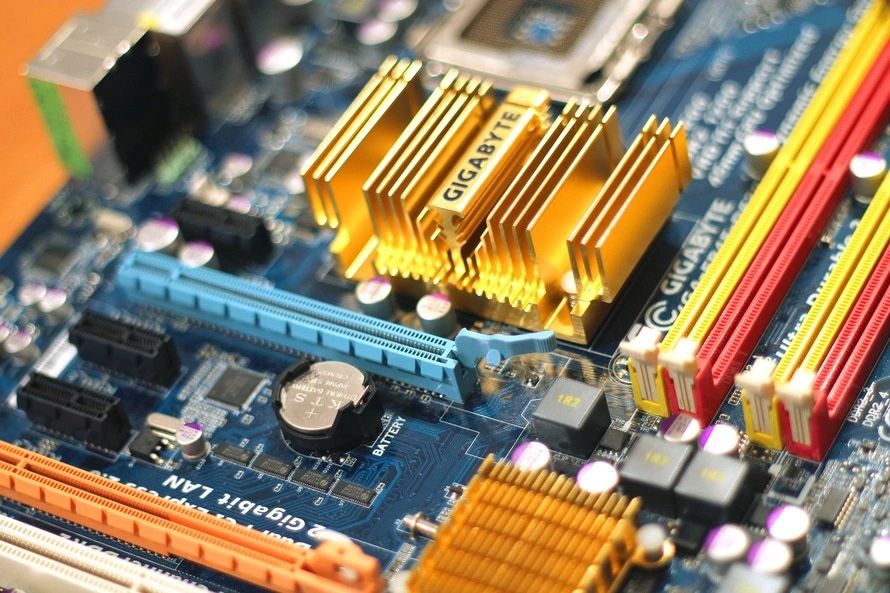
Since stepping down as chair she has continued to teach courses on thermodynamics and nanotechnology and mentor students in the lab at The Grove School of Engineering. The goal for Kretzschmar has always been “to build circuitry out of colloids,” as a solution for the limitations on the number of transistors that can fit on a silicon chip. For now, Kretzschmar has her work cut out for her as the development of these three-dimensional structures remains theoretical but acts as a driving force for chemical engineers like herself.
“That’s the dream, but we’re far from having realized it,” Kretzschmar said.
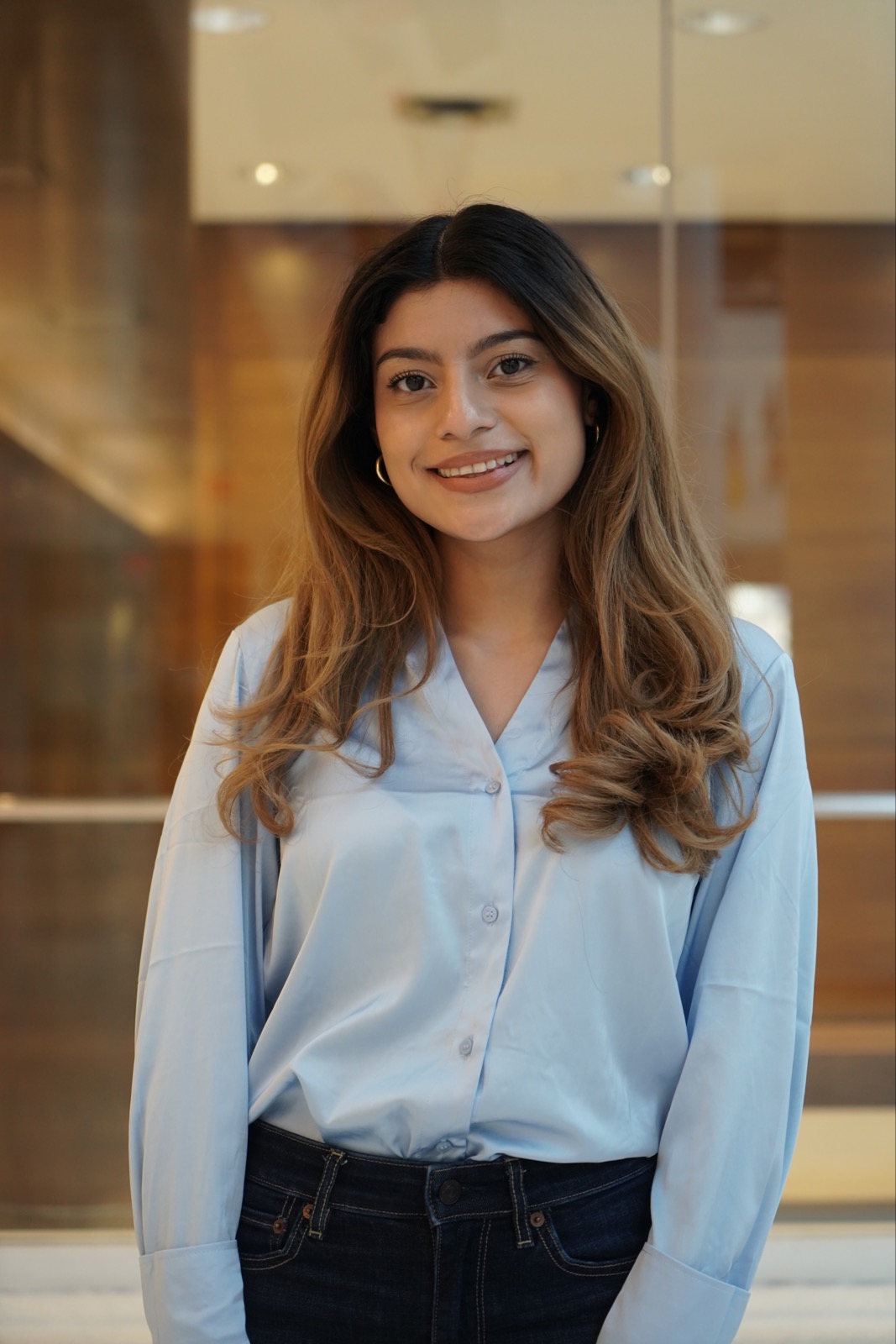
Yadira Gonzalez is a graduate of Baruch College where she studied journalism and minored in film. She was an editor-in-chief of Baruch’s award-winning magazine Dollars and Sense. Her writing has also been published in Documented, The New York Review of Books and AdAge.